What to check before booking a Canadian Niagara Falls boat tour
Understand the season and operating schedule
Boat tours on the Canadian side of Niagara Falls run on a seasonal schedule that depends on weather and ice conditions. The typical operating window runs from early spring through late fall, but exact dates shift each year. Before you book, confirm the specific opening and closing dates for the season you plan to visit. A tour booked too early in April or too late in November might get cancelled if ice buildup or high winds close the river. Even within the operating season, some days see reduced service due to maintenance or low visibility from fog. Check the official calendar of the operator you choose and have a backup date in mind if your travel plans are flexible. A quick look at the forecast for the day of your tour also helps you decide whether to book a morning or afternoon departure, as wind patterns often shift during the day and affect how much spray you encounter.
Know which operator runs the Canadian side
On the Canadian shore, the primary boat tour operator is Hornblower Niagara Cruises. Their vessels depart from a dock near the base of the Niagara Gorge and take passengers directly into the basin of the Horseshoe Falls. Some travelers assume that all boat tours are the same on both sides of the border, but the experience differs significantly. The Canadian tour gets you closer to the Horseshoe Falls than the American side tours do, and the vantage point gives you a full face-on view of the cascade. Before you book, make sure you are selecting the Canadian operator and not a tour that departs from the New York side. If you are browsing options online, verify the departure location listed on the booking page. Many third-party resellers combine tickets for multiple attractions, so double-check that the boat portion is indeed the Canadian Niagara Falls boat tour you want.
Check what is included in your ticket price
A standard ticket for the Canadian boat tour covers the cruise itself, but add-ons and extras vary by package. Some tickets include a complimentary poncho, while others charge extra for it. The basic voyage lasts about 20 minutes in the gorge, but premium packages may offer extended time, access to upper decks, or a behind-the-scenes look at the dock area. Before you book, read the fine print on what is included. If you are traveling with children, check whether kids under a certain age ride free or at a reduced rate. Some packages bundle the boat tour with admission to other Niagara attractions like the Journey Behind the Falls or the Niagara SkyWheel. If you plan to visit multiple sites, a bundled pass can save money, but only if you actually use all the components. For a straightforward experience, the standard ticket is often enough. For more details on ticket options and seasonal updates, you can visit niagarafallscanadatours.com for a clear breakdown of what each package offers.
Consider the time of day and crowd levels
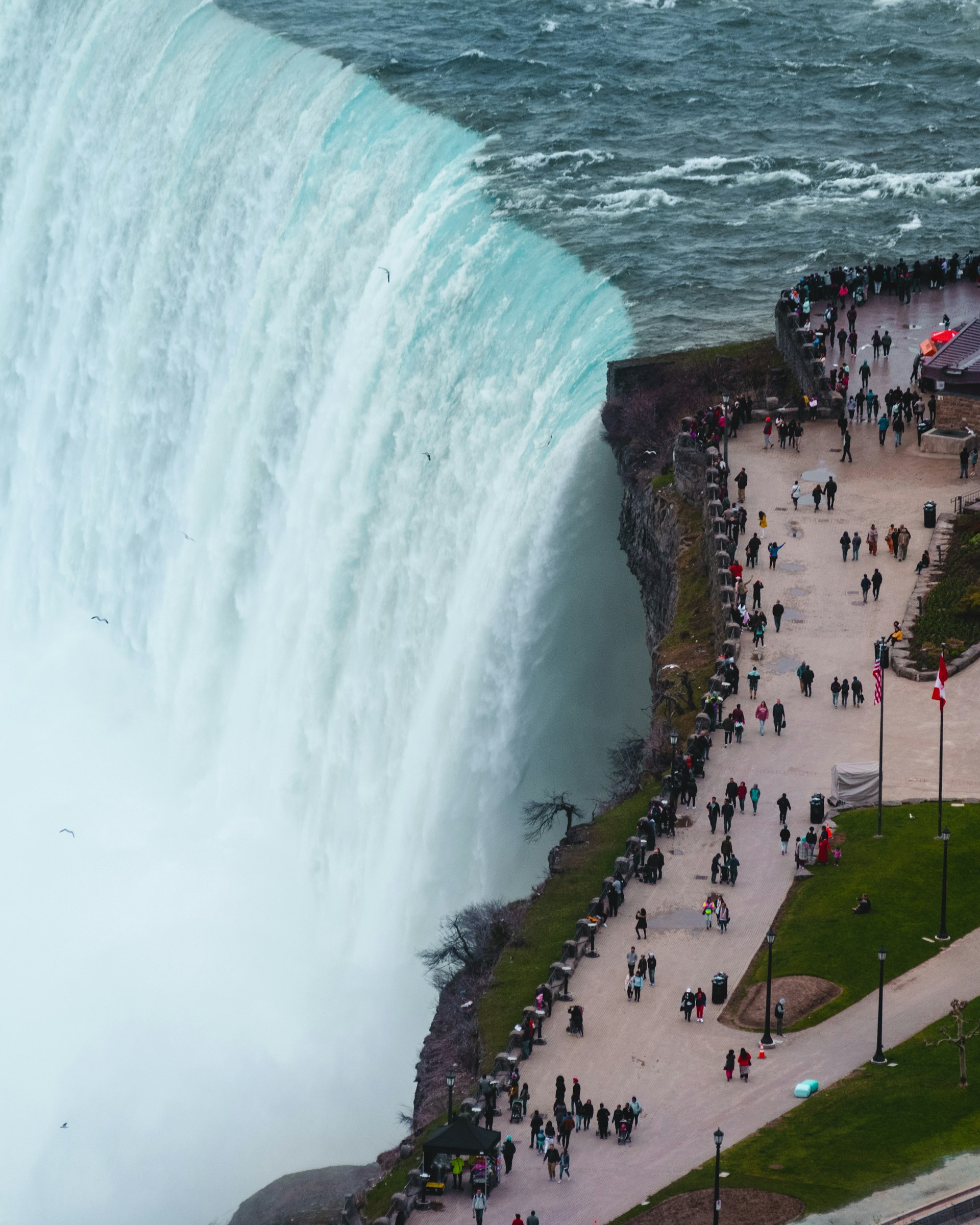
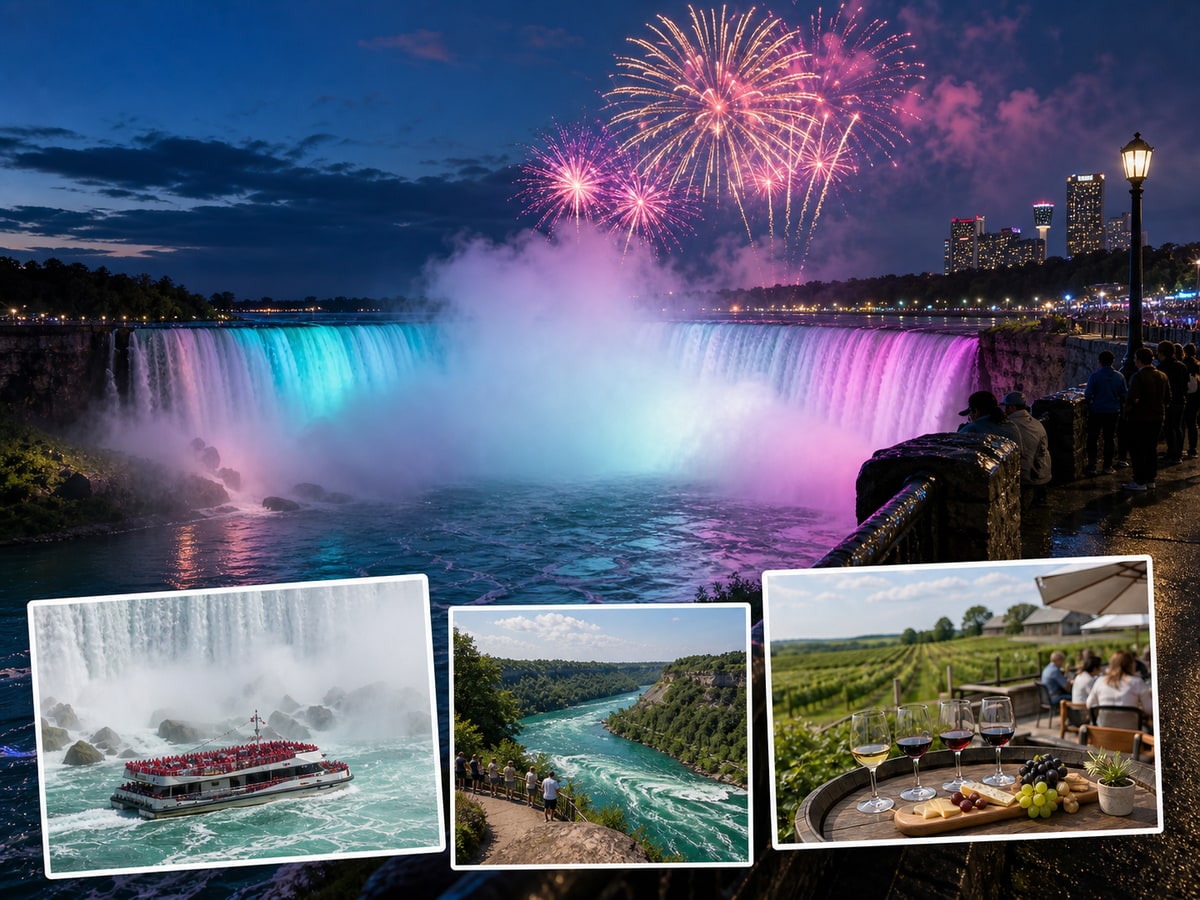
The boat tour operates multiple departures throughout the day, and the experience changes noticeably between morning, afternoon, and evening slots. Morning cruises tend to have smaller crowds, calmer winds, and a better chance of seeing rainbows in the mist. By midday, the lines grow longer and the boats fill up, which can mean a tighter squeeze on the rail for prime viewing spots. Late afternoon tours catch the sun at a lower angle, casting dramatic light on the falls and the spray. If you are visiting during peak summer months or on a holiday weekend, book the earliest or latest departure of the day to avoid the worst of the wait. Evening cruises are sometimes available in summer and offer a completely different atmosphere, with the falls illuminated and fewer boats on the water. Check the schedule for sunset sailings if you want a more serene experience.
Review the weather and what to wear
Even on a warm summer day, the boat ride into the mist zone is wet and can feel cool. The spray from Horseshoe Falls soaks everyone on board, especially on the lower decks. A disposable poncho is usually provided, but it only covers so much. Wear quick-drying clothing and shoes that can get wet. Sandals or water shoes are better than leather sneakers that stay soggy for hours. If you have a camera or phone, bring a waterproof case or a dry bag. In spring and fall, the temperature near the water is several degrees cooler than in the city above the gorge, so a light jacket under the poncho helps. Check the forecast for the exact time of your departure, not just the high of the day. Wind speed matters too: a gusty day blows the spray sideways and makes the ride feel colder than the thermometer suggests.
Look at accessibility and physical requirements
The boat tour involves walking down a long ramp to the dock, boarding a vessel that can move with the river current, and standing for the duration of the cruise. Seating is limited on most boats, and many passengers stand at the rails for the best view. If you have mobility concerns, check with the operator ahead of time about wheelchair access, seating availability, and boarding assistance. The ramp can be steep and slippery when wet. Some tours offer a lower-deck area that is more sheltered and easier to navigate, but it still requires steady footing. For visitors who cannot tolerate heavy spray or sudden motion, the boat ride might be uncomfortable. The boat does not go through rapids, but the churning water near the falls creates a rocking sensation. If you are prone to motion sickness, consider taking a preventive measure before boarding.
Compare the Canadian tour with other ways to see the falls
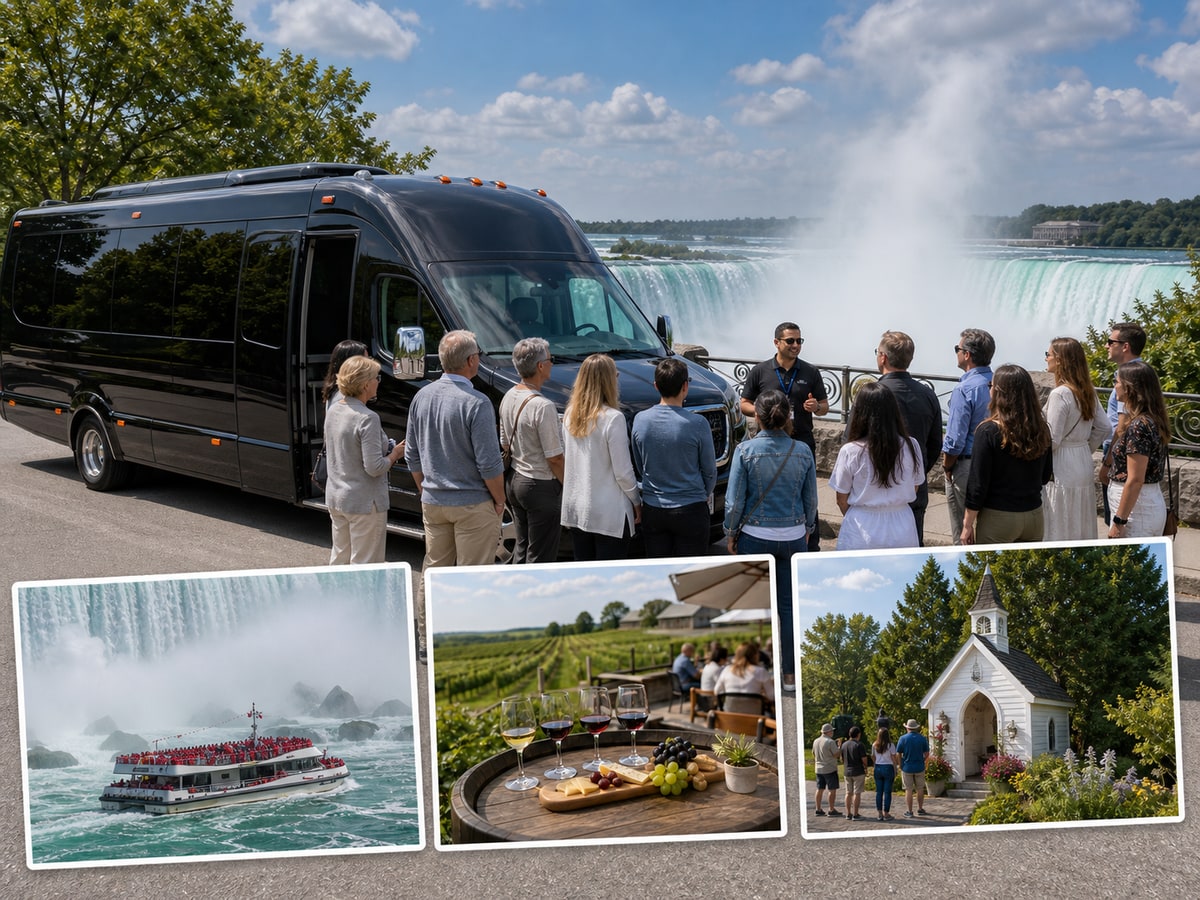
Before you commit to the boat tour, think about whether it fits your travel style and expectations. The Canadian boat tour is a classic Niagara experience, but it is not the only way to get close to the falls. The Journey Behind the Falls takes you through tunnels to observation decks behind the curtain of water. The Niagara SkyWheel gives a panoramic view from above. A helicopter tour offers a bird's-eye perspective. Each option has its own strengths and limitations. The boat tour is the most immersive in terms of feeling the mist and hearing the roar, but it is also the wettest and most crowded. If your priority is dry clothing and a quiet view, another attraction might suit you better. If you want the full sensory impact of the falls, the boat tour is hard to beat. For a balanced visit, many travelers combine the boat ride with one or two other attractions over the course of a day.
Check for seasonal closures and maintenance
Beyond the general operating season, occasional closures happen for maintenance, special events, or weather extremes. Ice buildup in the gorge can delay the start of the season. High water levels in late spring sometimes force the boats to alter their route or reduce capacity. Fog can cancel departures entirely if visibility drops too low. Before you book, look at the operator's website or social media for any alerts about the day of your visit. If you are booking weeks in advance, choose a ticket that allows rescheduling or cancellation in case of a closure. Some third-party tickets are non-refundable, so read the cancellation policy carefully. A flexible booking gives you peace of mind if conditions change.
Understand the difference between the American and Canadian experience
Travelers sometimes confuse the boat tours on each side of the border. The American side operates the Maid of the Mist, which departs from the New York shore and travels into the Horseshoe Falls basin from the American side. The Canadian side uses Hornblower Niagara Cruises and departs from the Ontario shore. Both tours get you close to the falls, but the Canadian route gives you a longer ride along the face of the Horseshoe Falls and a more direct view of the American Falls and Bridal Veil Falls as you return. The perspective is distinct. If you are staying on the Canadian side, the Canadian tour is the convenient choice. If you are crossing the border, you have the option to choose based on your preference for vantage point and crowd levels. For a clear comparison of the two experiences, resources like niagarafallscanadatours.com outline the differences in route length, duration, and vantage points so you can decide which suits your trip.
Plan for parking and arrival logistics
The boat tour dock is located near the base of the Niagara Gorge, accessible via the Niagara Parkway. Parking near the dock is limited and fills up quickly on busy days. Public parking lots are available a short walk or shuttle ride away. Before you book, check the parking situation for the time of your departure. Arriving 45 minutes early gives you time to park, walk to the ticketing area, and queue for boarding. If you are staying at a hotel within walking distance, you can skip the parking hassle entirely. Some hotels offer shuttle services to the falls area. Confirm the drop-off point relative to the dock so you do not end up on the wrong side of the gorge.
Ends · CANADIANNIAGARAFALLSBOATCORNER